
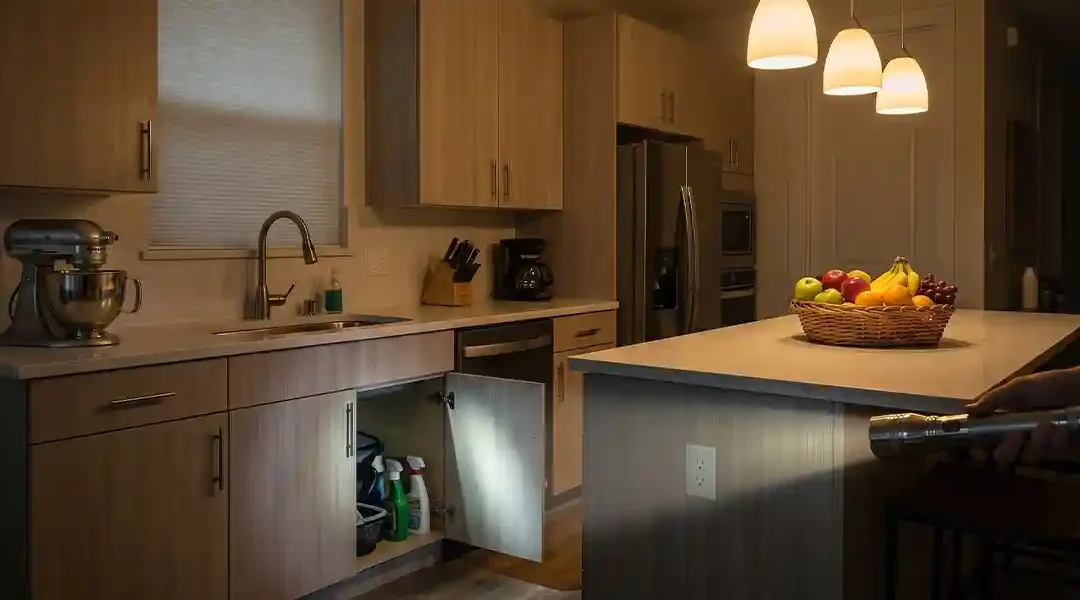
It’s been a while since you last went through the deep recesses of your cupboards and it’s time to take an inventory and throw out anything that’s explicitly expired or suspicious. As you go shelf by shelf, item by item, you see something most perturbing, little tiny dismembered legs and gross colored spots in one corner. It doesn’t take you long to figure out these were left behind by roaches and so you carefully begin to sort through everything else, afraid of what you might find next.
To your surprise, you find even more disconcerting traces of roach presence and soldier through clearing the rest out. As you remove the items, you check each one and give each a quick smell to ascertain if it’s good or bad. And this leads you to wonder, do roaches smell?
Do Roaches Smell? Exploring the Odors of Cockroaches and How to Detect Hidden Infestations
Cockroaches are among the most resilient and reviled household pests, often associated with filth and decay. Homeowners shudder at the sight of their skittering legs and shiny exoskeletons, but there’s another question that frequently arises: Do roaches smell? The answer is yes—and no—depending on what you mean by “smell.”
Cockroaches don’t emit a scent in the way a flower or a skunk does, but they do produce odors tied to their biology and behavior that can serve as telltale signs of an infestation. For homeowners, detecting these elusive pests when they’re not scuttling across the kitchen counter requires a keen understanding of these subtle cues, from smells to other hidden indicators.
The Science Behind Roach Odors: Do They Really Smell?
Cockroaches don’t have a distinct “roach perfume” that wafts through the air under normal circumstances, but they do generate odors through their bodily functions and living habits. These smells are often faint and easily overlooked until an infestation grows significant. Here’s what contributes to the scent of roaches:
- Pheromones and aggregation signals. Cockroaches communicate using pheromones—chemical signals released into their environment. These pheromones, found in their feces, saliva, and body secretions, help them attract others to food sources or safe hiding spots. While these chemical traces are imperceptible to most human noses in small quantities, a large population of roaches can amplify the effect. Over time, the buildup of pheromones in confined spaces may produce a subtle, musty undertone that hints at their presence.
- Oleic acid and the “death stench”. When a cockroach dies, its body begins to decompose, releasing oleic acid—a fatty acid with a greasy, rancid smell. This odor, often described as oily or sour, becomes more noticeable in areas where dead roaches accumulate, such as behind appliances or in wall voids. In a heavy infestation, the combination of living roaches and their deceased counterparts can create a lingering, unpleasant whiff.
- Fecal matter and environmental impact. Roach droppings are another source of odor. The scent is typically mild—akin to damp, stale earth—but can intensify in humid conditions or when mixed with food debris and grease in kitchens or pantries. In large numbers, this waste contributes to a dirty, moldy smell that homeowners might mistake for general uncleanliness rather than a pest problem.
- Infestation size matters. A lone roach or a small group won’t produce a detectable smell for most people. However, a thriving colony—hundreds or thousands of roaches—can create a noticeable miasma. Pest control professionals often describe this as a “sickly sweet” or “musty-greasy” odor, a blend of pheromones, decay, and waste that clings to infested areas.
So, do roaches smell? Yes, but it’s less about the roaches themselves and more about the byproducts of their existence. The challenge for homeowners is that these odors are often masked by household scents or only emerge when the problem is already severe. Detecting roaches early, before the smell becomes obvious, requires a proactive approach.
Why Detecting Hidden Roaches Matters
Cockroaches are nocturnal and masters of stealth, retreating to dark, damp, and cramped spaces during the day. Common hideouts include cracks in walls, under sinks, behind appliances, inside cabinets, and even within electrical outlets. By the time you spot one darting across the floor, the infestation may already be well-established. Worse, roaches carry bacteria, allergens, and pathogens that can contaminate food and surfaces, making early detection critical for health and hygiene—not to mention peace of mind.
Since relying solely on sight isn’t enough, homeowners need to tap into other senses and strategies to uncover these pests when they’re out of view. Smell is one clue, but it’s far from the only tool in your arsenal. Below, we’ll explore the best methods to detect hidden roaches, combining sensory cues with practical investigation.
How to Detect Hidden Cockroaches: Top Methods for Homeowners
Sniffing Out the Signs
Start with your nose. While roach odors are subtle, they’re most likely to concentrate in areas where the pests congregate. Check kitchens, bathrooms, crawl spaces, and laundry rooms—spaces with moisture, warmth, and food access. Look for:
- A faint musty or oily smell near appliances like refrigerators, stoves, or microwaves.
- A stale, damp odor in cabinets or under sinks where droppings might accumulate.
- A sour or rancid whiff in rarely disturbed corners, possibly from dead roaches.
If you detect something unusual, especially in combination with other signs, it’s worth a closer look. Keep in mind that humidity or poor ventilation can mimic these smells, so don’t jump to conclusions without further evidence.
Spotting Droppings and Debris
Roach feces are a dead giveaway, even when the bugs themselves are hidden. These droppings resemble tiny black specks (like ground pepper) for smaller species like German cockroaches, or slightly larger, cylindrical pellets for American roaches. Check:
- Along baseboards, inside drawers, or on countertops.
- Behind appliances or in tight crevices where roaches travel.
- Near food storage areas, as roaches are drawn to crumbs and spills.
A flashlight and magnifying glass can help you inspect hard-to-see spots. Finding droppings often means roaches are nearby, even if they’re not visible.
Looking for Egg Cases (Oothecae)
Female roaches deposit egg cases called oothecae, which are brown, purse-shaped capsules about the size of a fingernail. These are often tucked into hidden spots like:
- Under furniture or appliances.
- Inside wall cracks or behind loose wallpaper.
- In cardboard boxes or cluttered storage areas.
Spotting an ootheca signals an active or impending population boom—each case can hatch dozens of nymphs.
Tracking Smear Marks and Shed Skins
Roaches leave greasy smear marks along their regular paths, especially in humid environments. These faint, irregular streaks appear where their bodies brush against surfaces. Look for them:
- On walls or pipes near water sources.
- Along edges of shelves or cabinets.
Additionally, roaches molt as they grow, shedding light-brown exoskeletons. Finding these husks in out-of-the-way places—like attic corners or garage shelves—points to a hidden population.
Listening for Nighttime Activity
Your ears can be as useful as your nose. Roaches are most active at night, and large infestations may produce faint rustling or clicking sounds as they move. Turn off lights and listen near suspected areas after dark. You might hear them in:
- Walls or ceilings (if they’ve nested in voids).
- Under sinks or behind refrigerators.
- Inside cluttered pantries or storage rooms.
Using Traps and Monitors
Sticky traps are an affordable, effective way to confirm roach presence without seeing them. Place them in high-risk zones:
- Near garbage cans or compost bins.
- Under appliances or along walls.
- Close to entry points like doors or windows.
Baited with a bit of peanut butter or bread, these traps can capture roaches over a few nights, revealing their numbers and travel routes. Check them daily for results.
Inspecting with Technology
For a high-tech approach, use a boroscope (a small camera on a flexible tube) to peek into wall voids, under cabinets, or behind heavy furniture. Available online or at hardware stores, these devices let you explore spaces too tight for human eyes. Pair this with a thermal imaging camera if you suspect roaches in walls— their body heat might show up as faint signatures.
Watching for Allergic Reactions
Surprisingly, your body might detect roaches before you do. Roach saliva, droppings, and shed skins release allergens that can trigger sneezing, itchy eyes, or asthma in sensitive individuals. If these symptoms flare up indoors without an obvious cause, consider roaches as a potential culprit and investigate further.
What to Do If You Find Evidence
If you uncover signs of roaches—whether through smell, droppings, or traps—act quickly. Start by sealing entry points (cracks, gaps around pipes) and eliminating food and water sources (fix leaks, store food in airtight containers). Over-the-counter baits and insecticides can tackle small infestations, but for larger or persistent problems, call a pest control professional. They can use advanced tools like pheromone-based lures or residual sprays to target hidden colonies.
Staying One Step Ahead of Roaches
Cockroaches do produce odors, but they’re rarely the first or most reliable sign of trouble. A musty, greasy, or sour smell might tip you off to a major infestation, but by then, the pests have likely settled in.
The best defense is vigilance—combining your senses with hands-on detective work to catch roaches before they multiply. From sniffing out faint clues to setting traps and scouring dark corners, homeowners can outsmart these stealthy invaders. With persistence and the right tactics, you can keep your home roach-free, odor and all.