
Cockroach infestations are a serious concern for homeowners and business owners in Jacksonville, Florida. While spotting live roaches is an obvious sign of an infestation, their droppings often go unnoticed, even though they provide crucial clues about the severity of the problem.
Roach droppings are not just an unsightly nuisance; they can pose health risks and indicate a growing colony that needs immediate attention. Understanding how to identify and handle roach droppings can help prevent major infestations.
What Do Roach Droppings Look Like?
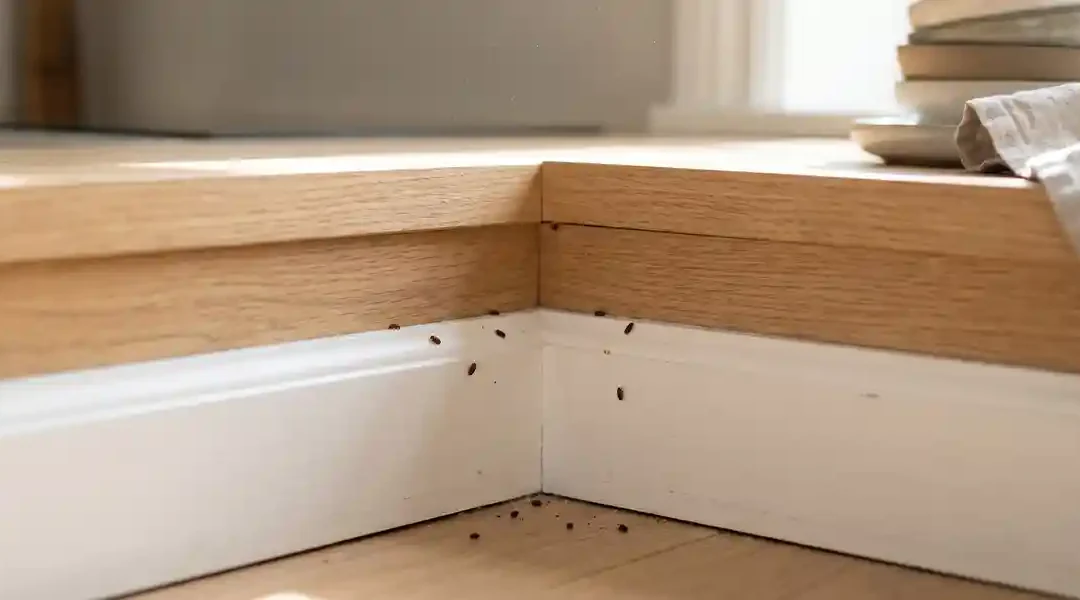
Roach droppings vary in appearance depending on the species and size of the infestation. Common signs include:
- Small black specks: Often mistaken for ground coffee or black pepper, these are common signs of German cockroach activity.
- Cylindrical droppings: Larger roaches, like American cockroaches, produce solid feces with ridges, resembling mouse droppings.
- Smear marks: In high-moisture areas, roach feces may appear as streaky stains on walls, surfaces, or corners.
Since roach droppings blend in with everyday dirt and debris, infestations can go unnoticed until they become severe. Knowing where to look and what to watch for is essential in early detection.
Weird and Disgusting Facts About Roach Droppings
Cockroaches are notorious for their resilience and ability to thrive in the filthiest environments, but their droppings are a particularly revolting aspect of their existence. These tiny pellets hide a world of gross and bizarre truths that might make your skin crawl.
Roach droppings contain allergens that can trigger asthma and allergic reactions, especially in children. In urban areas, where cockroach infestations are common, these droppings contribute to respiratory issues when they become airborne.
The proteins in the feces are so potent that even minimal exposure can cause symptoms like sneezing, itchy eyes, or wheezing. Worse, roaches often defecate near food sources, contaminating surfaces with bacteria like Salmonella and E. coli, which can lead to food poisoning.
What’s weirder is the sheer volume of droppings a single roach can produce. A German cockroach, one of the most common household pests, can leave behind up to 50 droppings per day.
In a small infestation of just 100 roaches, that’s 5,000 pellets daily, quickly accumulating in hidden corners, cabinets, and cracks. These droppings are small—less than 1mm for some species—but their dark, cylindrical shape makes them unmistakable once you know what to look for.
Another disgusting fact: roach droppings can attract more roaches. The feces contain pheromones that act as chemical signals, drawing other cockroaches to the area.
This means a single roach’s waste can turn your home into a roach hotspot, perpetuating the infestation. Some species, like the American cockroach, even use their droppings to mark trails to food and water sources, creating a sort of grotesque GPS for their colony.
Finally, roach droppings don’t just sit there—they can stick! Their adhesive nature makes them cling to surfaces, requiring thorough cleaning to remove. If you’ve ever spotted those tiny specks in your kitchen, you’re likely dealing with a problem that’s both gross and persistent.
Where Are Roach Droppings Found?
Roaches tend to leave droppings near food sources and hiding places. Common areas include:
- Kitchens and pantries. Roaches are attracted to food scraps, crumbs, and grease buildup.
- Under appliances. The spaces beneath refrigerators, ovens, and dishwashers provide shelter and warmth.
- Cabinet corners. Roaches often squeeze into crevices, leaving feces in tight spaces.
- Bathroom areas. High humidity makes bathrooms attractive to roaches, particularly near drains and pipes.
- Dark, cluttered spaces. Basements, attics, and storage rooms are ideal hiding places for roaches, especially if there’s excess cardboard or something similar.
Health Risks Associated with Roach Droppings
Roach droppings do more than signal an infestation—they contribute to serious health hazards:
- Allergens and asthma triggers. Roach feces contain proteins that worsen allergies and respiratory conditions, particularly in children and individuals with asthma.
- Bacterial contamination. Roaches can spread pathogens like Salmonella and E. coli by leaving droppings near food and kitchen surfaces.
- Unpleasant odors. As droppings accumulate, they release foul smells that worsen over time, making homes and businesses feel unhygienic.
Taking swift action at the first sign of droppings can help prevent illness and maintain a safe living environment.
How to Safely Clean Roach Droppings
Proper cleanup methods minimize health risks and prevent further infestations. Follow these steps to remove roach droppings safely:
- Wear gloves and a mask. Avoid direct contact with feces to prevent exposure to allergens and bacteria.
- Vacuum first. Use a vacuum with a HEPA filter to remove dried droppings from carpets, furniture, and hard-to-reach places.
- Disinfect surfaces. Wipe affected areas with a disinfectant or a mixture of water and vinegar to kill germs.
- Dispose of trash properly. Seal vacuum bags or cleaning cloths in a trash bag and remove them from the house immediately.
- Fix leaks and moisture issues. Reducing humidity discourages roaches from returning.
Preventing Roach Infestations
To avoid future problems, implement these roach prevention strategies:
- Keep food stored properly. Store food in airtight containers and clean up spills immediately.
- Reduce clutter. Minimize cardboard, paper, and excess storage materials that provide hiding places.
- Seal cracks and entry points. Close gaps around plumbing, walls, and doorways to prevent roaches from entering.
- Schedule regular pest control inspections. A professional evaluation can identify hidden infestations before they escalate.
Professional Pest Control Solutions
When roach droppings indicate an active infestation, professional pest control is the best way to eliminate the problem. Trad’s Pest Control in Jacksonville specializes in roach identification, targeted treatments, and long-term prevention strategies. Their expert services ensure homes and businesses remain pest-free, reducing health risks and improving overall cleanliness.
Wrapping It All Up
Roach droppings serve as an early warning sign of an infestation and should never be ignored. Not only do they indicate active roach activity, but they also pose significant health risks, including allergies and bacterial contamination.
By identifying droppings, cleaning effectively, and implementing prevention strategies, homeowners and business owners can reduce infestations before they spiral out of control. For the best results, partnering with a professional pest control service like Trad’s Pest Control ensures a lasting solution to roach problems.