
Cockroaches are one of the most unwelcome pests you can find in your home. They’re fast, sneaky, and capable of spreading bacteria and allergens. In Florida—especially in Jacksonville’s warm, humid climate—roaches are active year-round and often show up even in the cleanest homes.
One of the most common go-to tools homeowners try first is roach traps. While they can be useful in certain situations, traps are rarely a complete solution. Below, we’ll take the time to break down how roach traps work, when they help, and why a professional approach is often necessary for long-term control.
What Are Roach Traps?
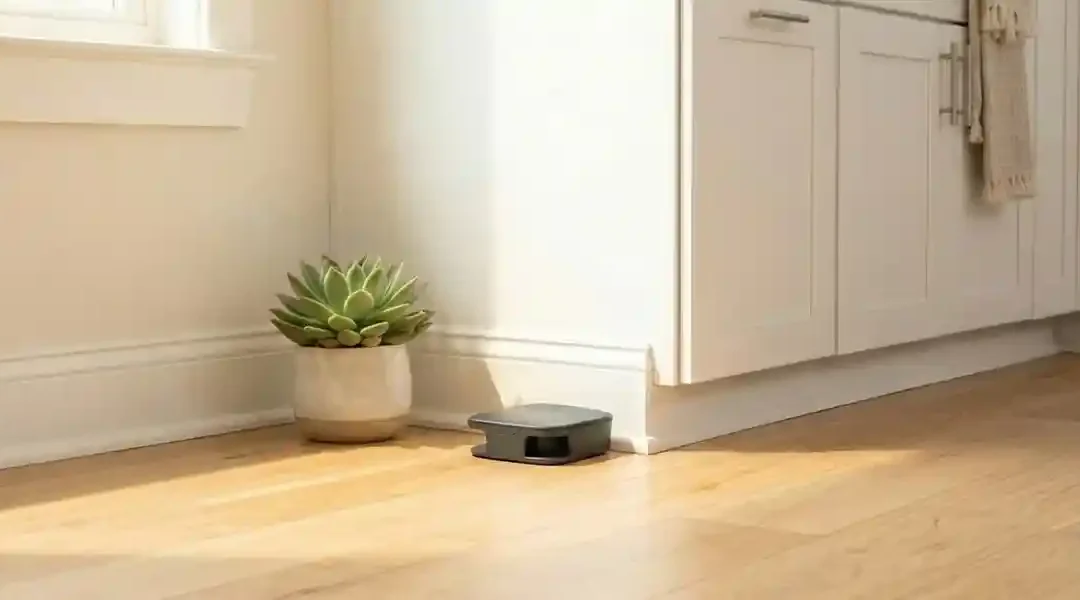
Roach traps are pest control tools designed to attract and capture or kill cockroaches. They come in a variety of forms, from simple sticky traps to bait stations with slow-acting insecticides.
The goal is to either monitor roach activity or reduce the number of pests inside your home. There are three main types of traps homeowners use:
1. Glue Traps (Sticky Traps)
These traps use an adhesive surface to capture roaches when they walk across it. Some contain a food-based lure to attract the pests. Glue traps don’t kill the roaches instantly, but immobilize them.
Best for: Monitoring where roaches are most active.
Limitations: Glue traps don’t eliminate colonies and aren’t effective for larger infestations.
2. Bait Stations
Bait stations contain food laced with insecticide. Roaches are drawn in, eat the bait, and return to their nest, spreading the poison to others before dying.
Best for: Targeting nests indirectly and reducing small populations.
Limitations: Takes time to work and may not reach all roaches, especially if the infestation is deep within walls or inaccessible areas.
3. Gel Baits
Gel bait is applied in cracks and crevices, where roaches typically hide. It works similarly to bait stations but can be more flexible in reaching hard-to-access areas.
Best for: Spot treatments in kitchens, bathrooms, and behind appliances.
Limitations: Needs careful application and reapplication over time for full effectiveness.
Do Roach Traps Actually Work?
The short answer: yes, but only to a point. Roach traps are useful tools for:
- Identifying high-activity areas
- Reducing small numbers of visible roaches
- Supplementing a broader pest control strategy
However, they rarely eliminate the root of the problem. Roaches are nocturnal, elusive, and excellent at hiding in walls, under floors, behind cabinets, and even inside electronics. And worst of all—especially in Florida—roaches reproduce quickly. A single female German cockroach can produce thousands of offspring in one year. It’s important to note that traps also do nothing to address:
- The entry points that allowed roaches inside in the first place
- Hidden nests and egg cases
- Environmental factors like excess moisture or food crumbs that continue to attract pests
Why Roaches Are a Persistent Problem in Jacksonville
Roaches thrive in warm, humid environments. Jacksonville’s subtropical climate is perfect for species like:
- American cockroaches (a.k.a. “palmetto bugs”) – large, reddish-brown, often found in sewers and crawlspaces.
- German cockroaches – smaller and faster, usually found in kitchens and bathrooms.
- Smokybrown cockroaches – drawn to outdoor lighting and often invade through attics or vents.
In Florida homes, roaches often enter through:
- Gaps around windows, doors, or plumbing
- Drains and sewer lines
- Grocery bags, boxes, and appliances
Once inside, they can be incredibly difficult to fully remove without professional help.
When to Call a Professional
If you’ve tried roach traps and are still seeing bugs—or if you’re spotting signs like droppings, egg cases, or that distinctive musty odor—it’s time to call in the experts.
At Trad’s Pest Control, we offer comprehensive roach treatment plans that include:
1. Inspection and Identification
We determine the roach species, locate nesting sites, and identify entry points or environmental conditions contributing to the problem.
2. Targeted, Family-Friendly Treatments
We use a combination of professional-grade baiting, growth regulators (which disrupt the roaches’ life cycle), and barrier sprays—many of which are organic or low-impact—to eliminate the infestation at its source.
3. Long-Term Prevention
Roaches are persistent. Our team helps you seal off entry points, fix moisture issues, and establish an ongoing protection plan so they don’t come back.
Tips to Help Keep Roaches Away
Even after treatment, a few simple habits can go a long way toward keeping your home roach-free:
- Store food in sealed containers
- Wipe down counters and clean up crumbs regularly
- Take out the trash often and keep lids sealed
- Fix leaky pipes and eliminate excess moisture
- Seal gaps around windows, doors, and utility lines
- Avoid leaving pet food out overnight
Roach traps are helpful tools—but for long-term, complete protection, professional pest control is the most reliable option. If you’re tired of seeing roaches in your Jacksonville home, trust the team that’s been solving pest problems since 1971.
About Trad’s Pest Control
Trad’s Pest Control has been serving Jacksonville and Northeast Florida with expert pest, lawn, and termite services for over 50 years. Locally owned and family-operated, Trad’s is proud to offer environmentally responsible solutions with guaranteed results.